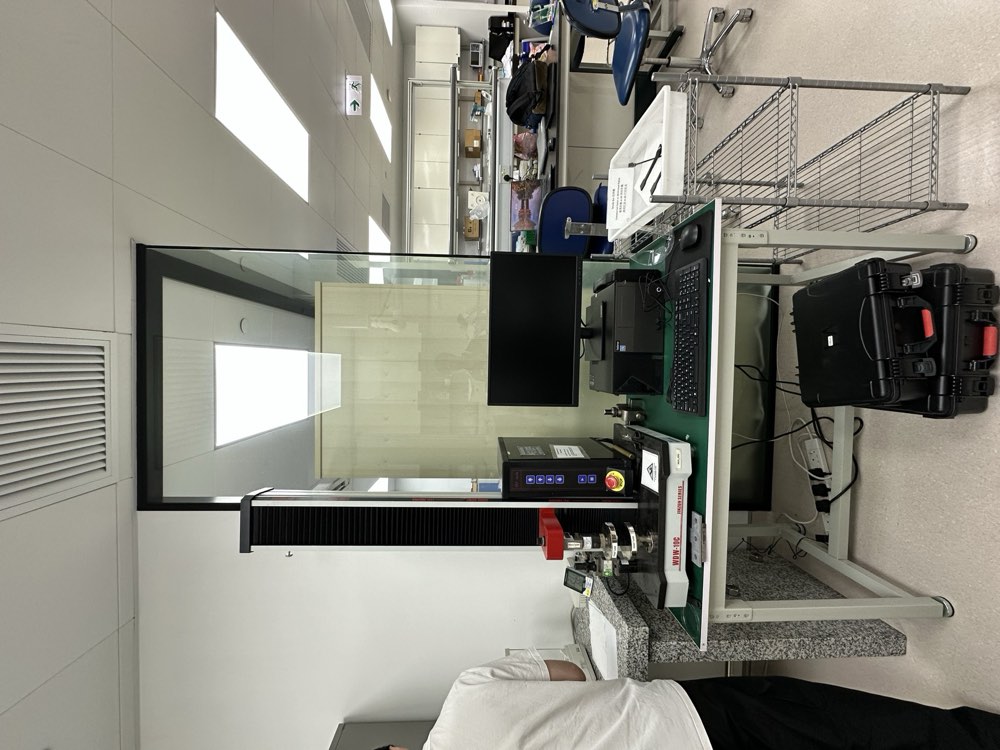
01Universal Tester — dynamic (fatigue)
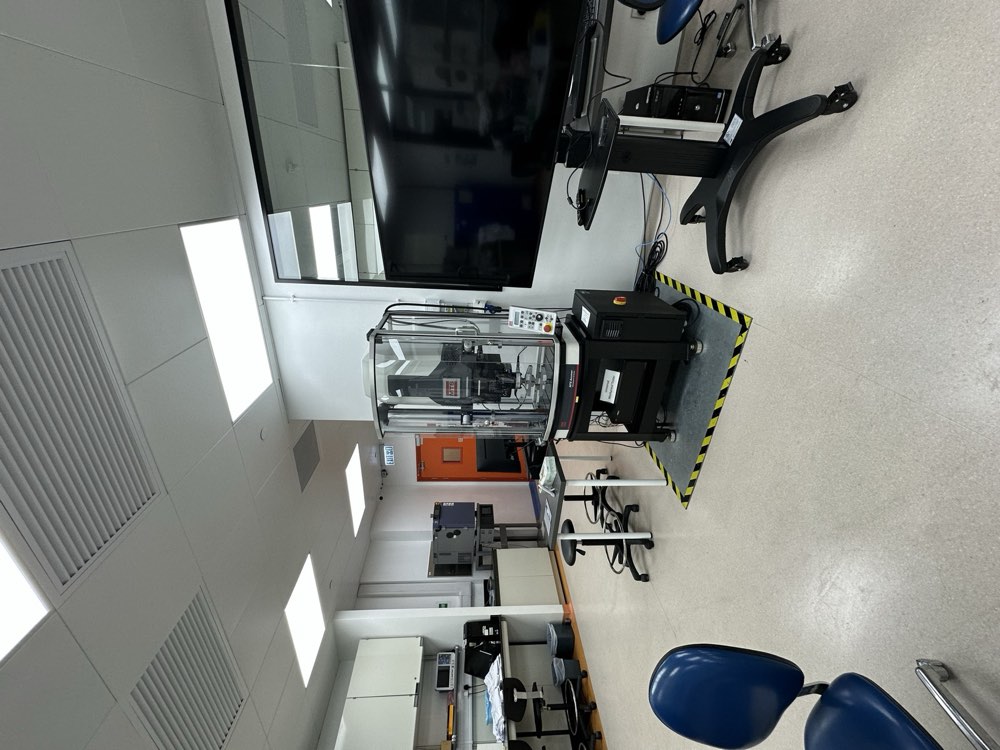
This machine pushes and pulls a part over and over — thousands to millions of times — to see if it slowly wears out and cracks. That slow wear-then-break is called fatigue.
A plain-language walk through the machines we've seen in person at the lab: what each one does, what you need to know before you use it, and whether it matters for the kind of product we build at Innospire — AI glasses that describe the world for people with vision loss. No experience needed. This guide only lists equipment we've photographed on our own visits; HKSTP's full list may include more.
Every machine works one of two ways. Getting this clear first makes everything else make sense.
You book the machine and operate it yourself — for as little as one day. Best for trying things, preparing samples, and testing your own hardware cheaply. You keep the results; there's no official report.
Confirmed self-access machines here: both furnaces, two precision cutters, the sandblaster, the stereo microscope, and an oscilloscope.
Lab engineers run the test properly and give you an official, accredited report (ISO/IEC 17025) that regulators trust. Best when you need trustworthy, on-paper proof.
Confirmed staff-run machines here: both strength/fatigue testers and all three climate chambers. Advice/consultancy is HK$745/hour.
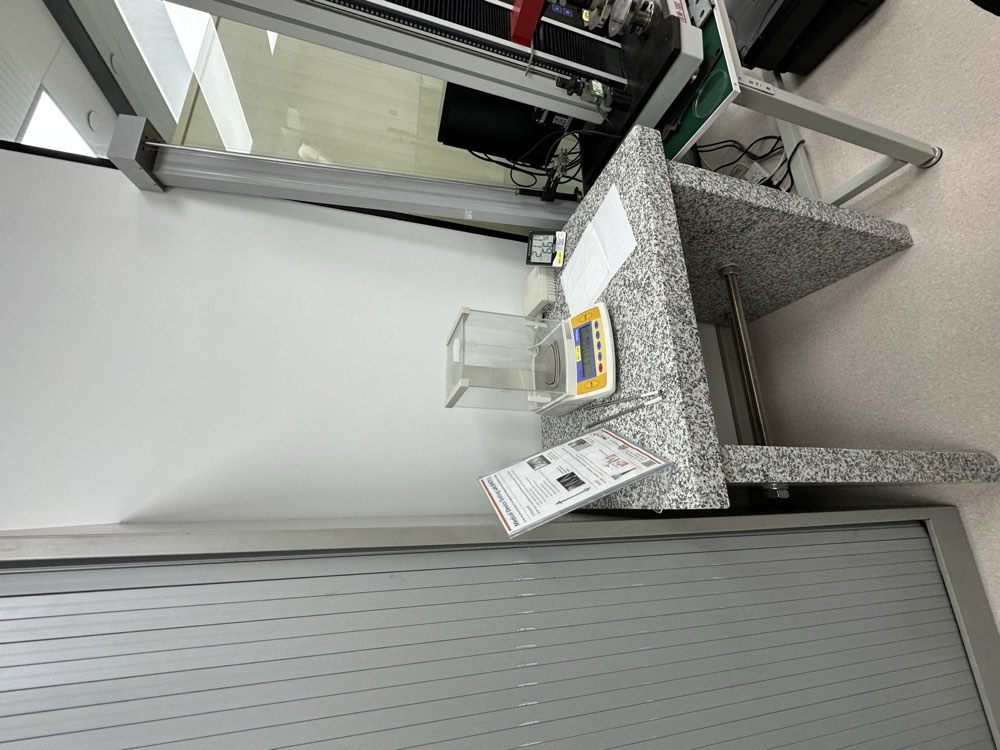
Before the test machines, here's the everyday setup — a place to weigh things, clean things, and stay safe while working with heat, dust, and chemicals.


Each card tells you the brand and model, what the machine does in plain words, what to know before you use it, and how important it is for our AI glasses. Only machines we've photographed in person are listed here.
Does it hold together, and does it last? These machines push, pull, and bend parts to find out.
01This machine pushes and pulls a part over and over — thousands to millions of times — to see if it slowly wears out and cracks. That slow wear-then-break is called fatigue.
02This machine pulls, squashes, or bends a part one time until it gives way, and records how much force that took.
Will it still work after heat, cold, and humidity? These chambers speed up years of ageing into weeks.
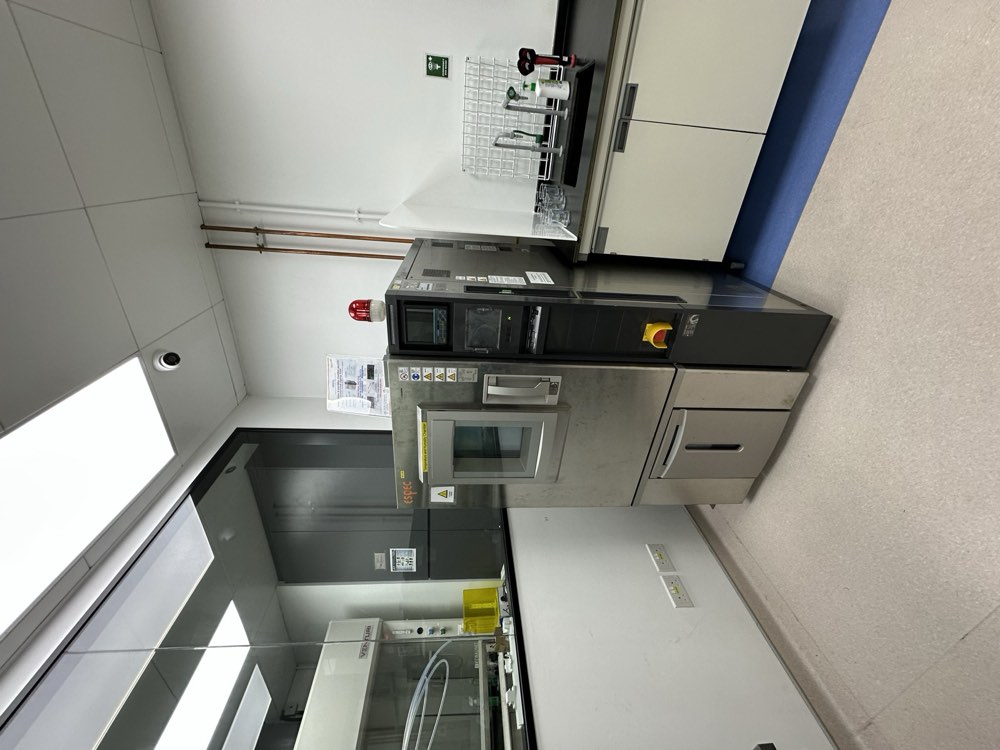
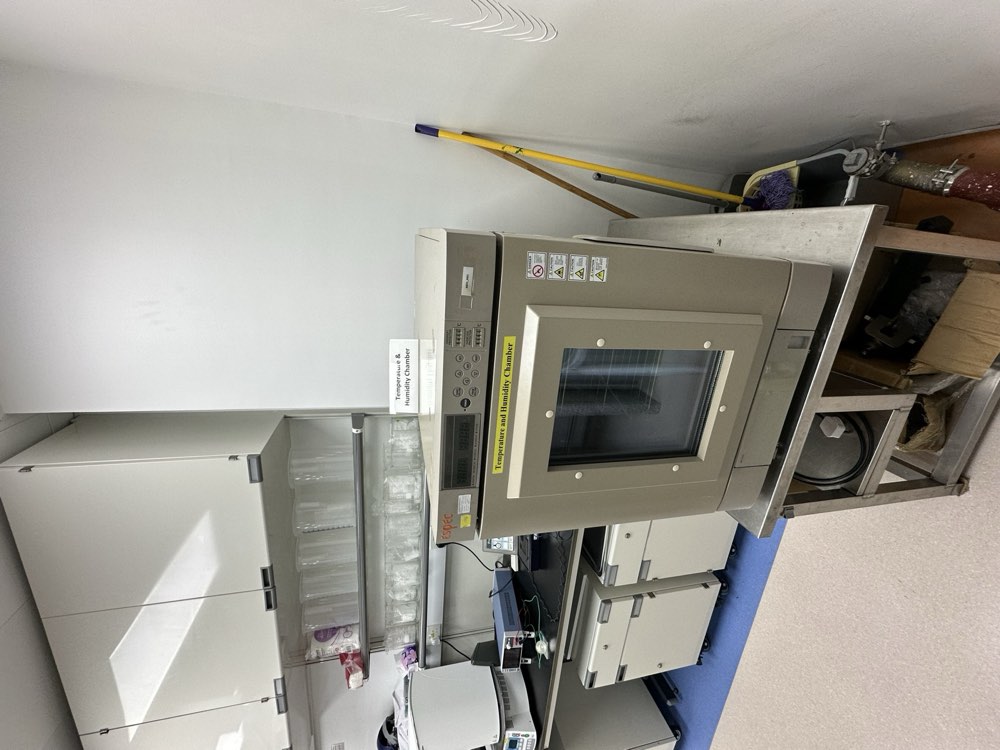
03A large box that holds a set temperature and moisture level for hours or weeks, to fast-forward how a product ages.
04Same idea as the PL-2J, but reaches much colder (down to −60°C) and hot — good for cold-chain shipping and fast hot/cold swings.
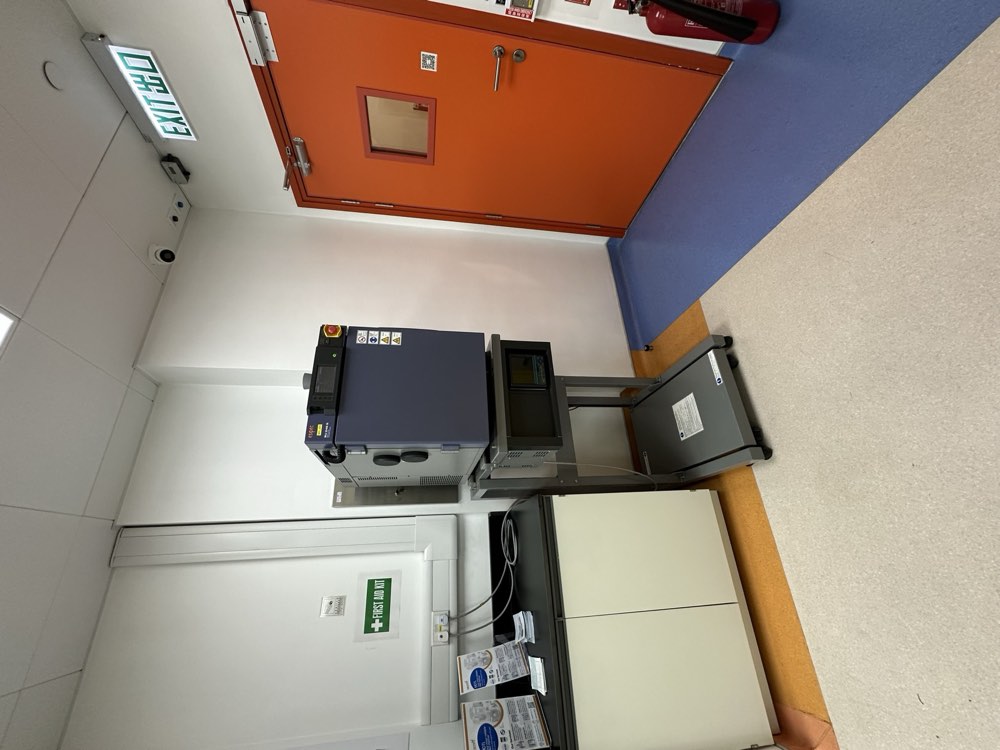
05A temperature-only chamber for heating and cooling cycles, without controlling humidity.
Machines that heat materials to extreme temperatures to harden ceramics or metals.
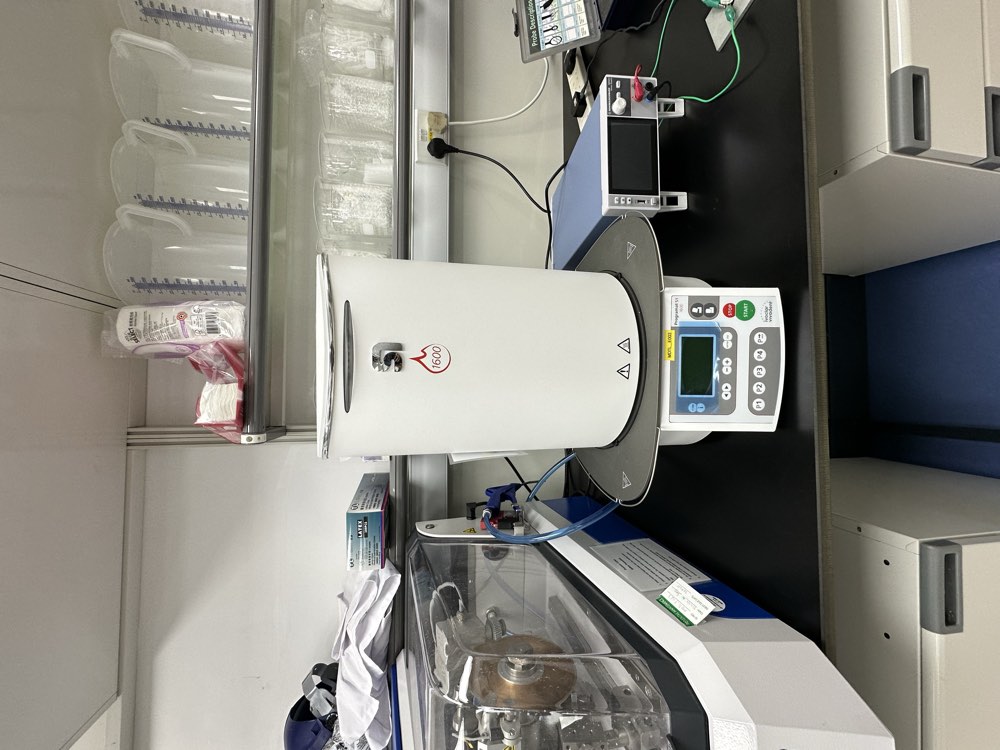
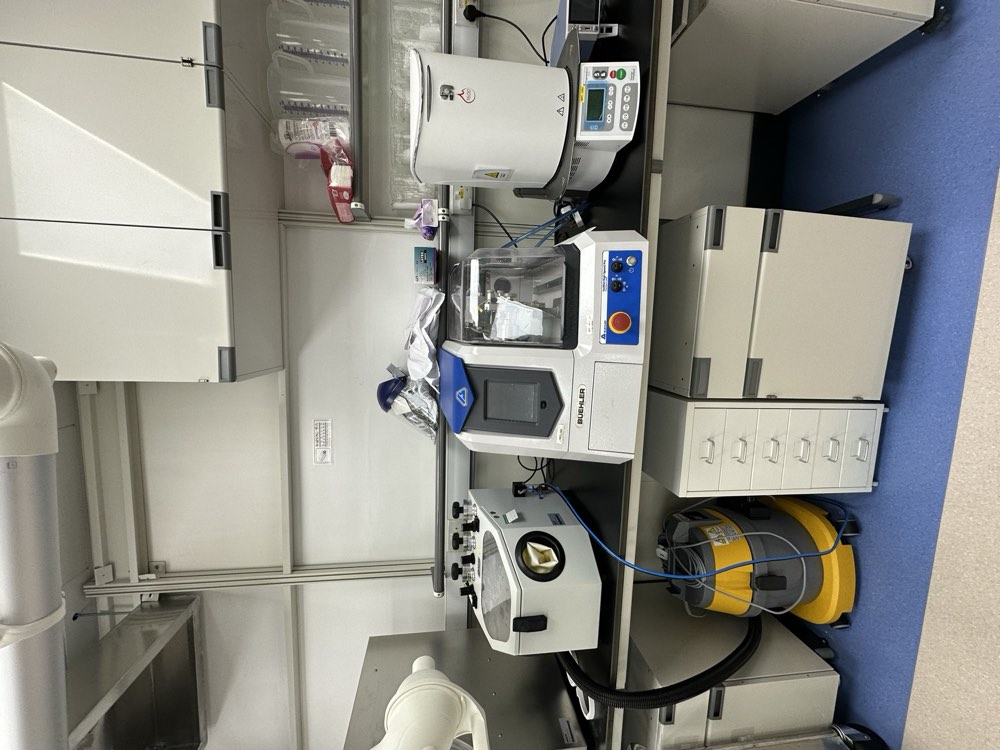
06A small furnace that hardens dental zirconia crowns by heating them to about 1600°C. This hardening is called sintering.
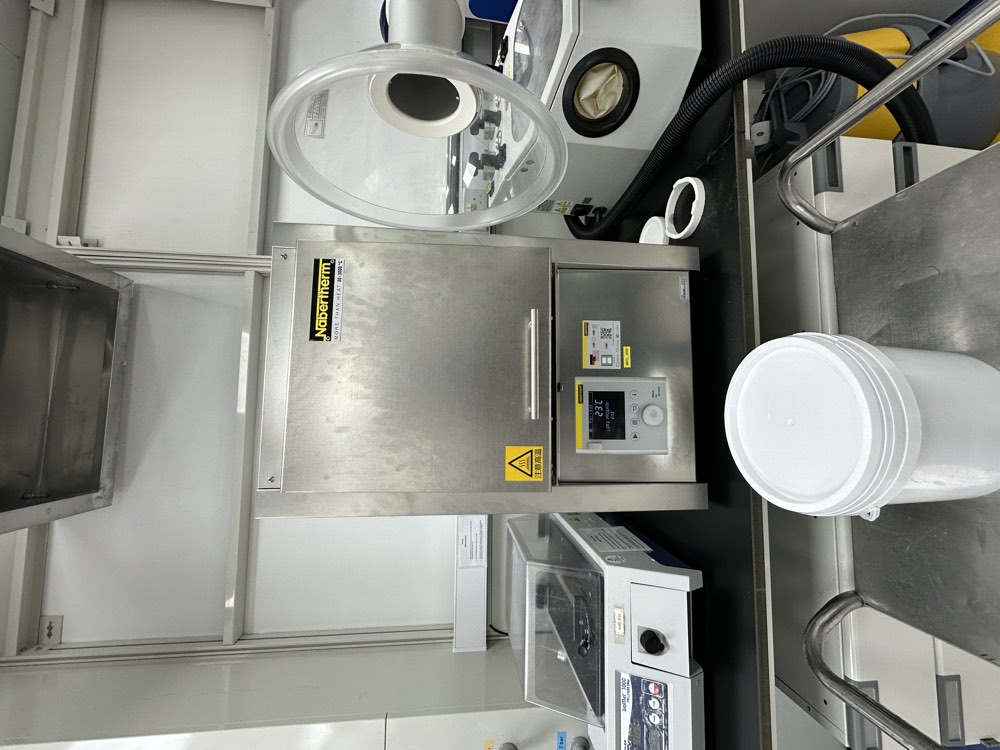
07A powerful furnace (up to 1650°C) for hardening ceramics, heat-treating metal, or burning a sample down to ash.
Preparing, cleaning, shaping, and looking closely at small parts and surfaces.
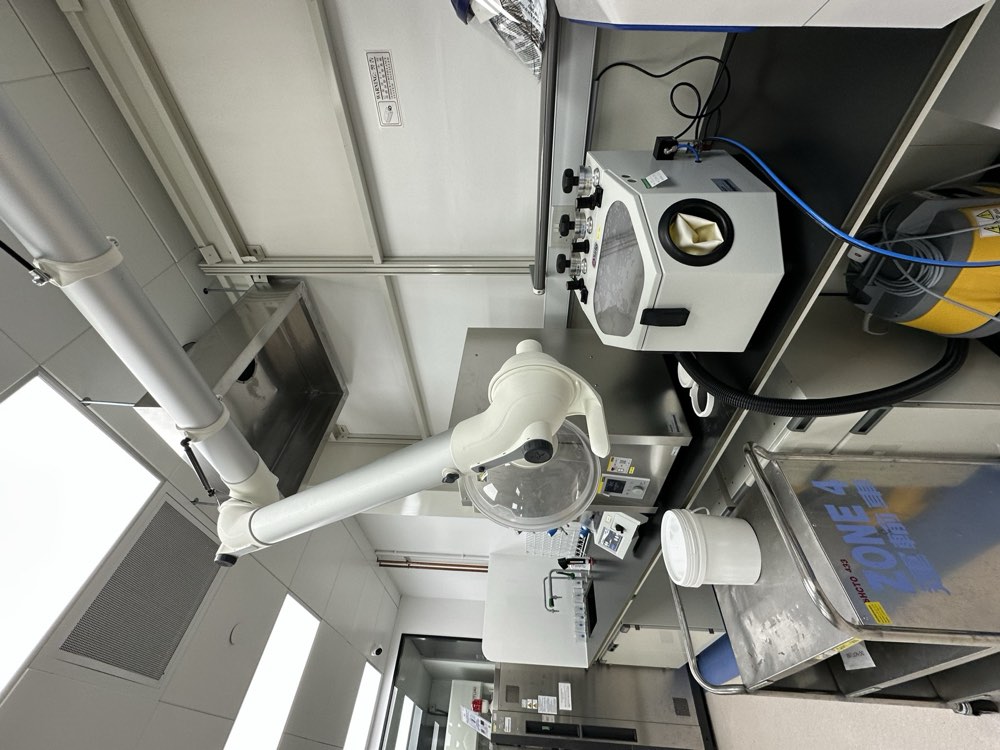
08A sealed box where you blast a part with fine grit to clean it or roughen its surface. You reach in using the built-in gloves.
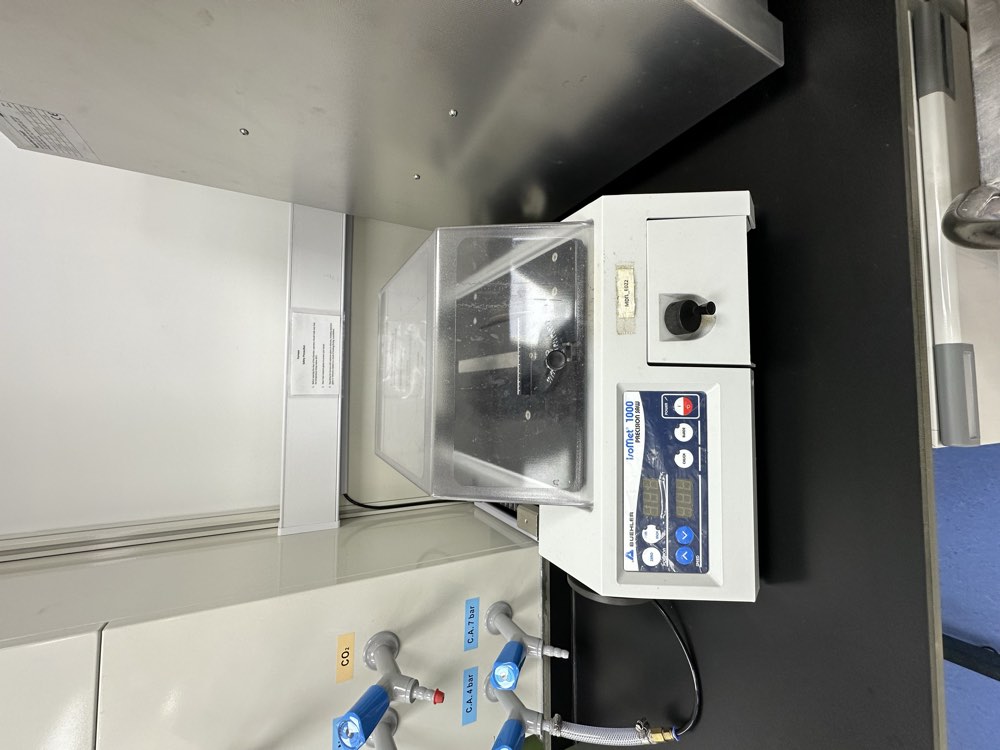
10A slow, precise saw with a thin blade that cuts small parts neatly without damaging them.
11A faster version of the precision saw, for harder or larger pieces.
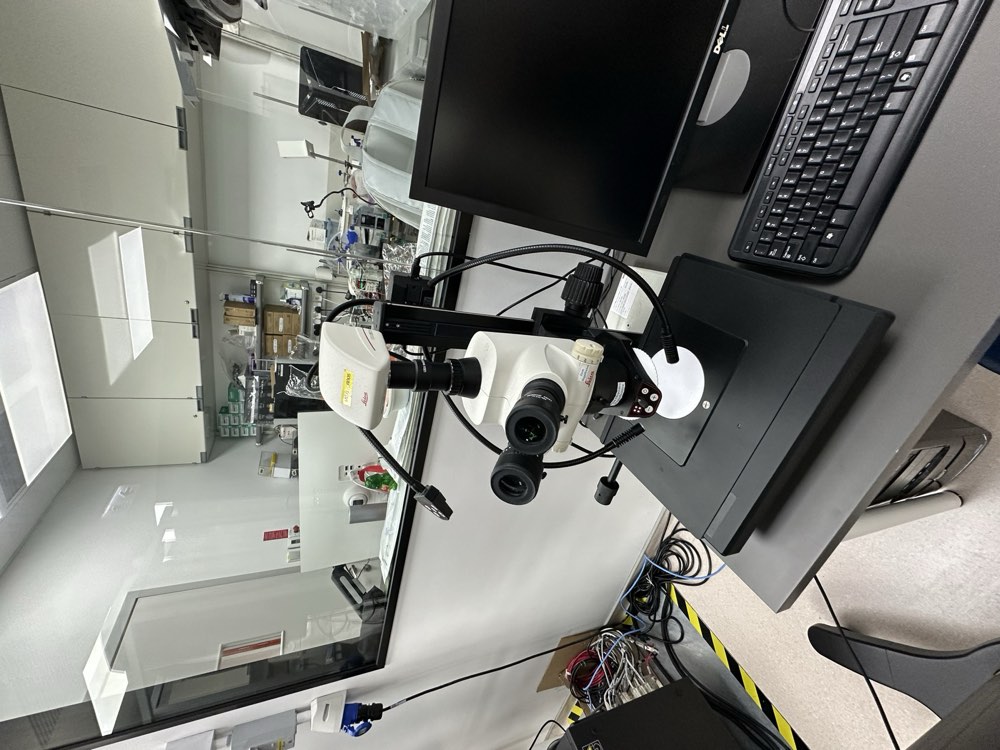
13A microscope for looking at small things at low zoom (6× to 40×), with a camera that shows the view on a screen.
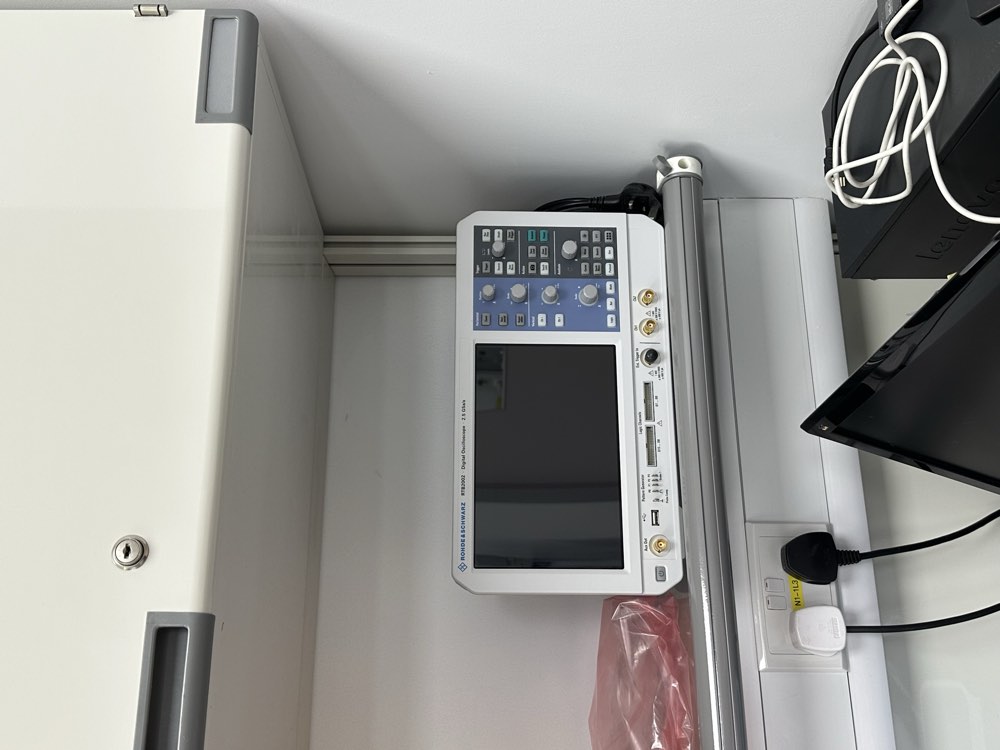
The one electronics-bench tool confirmed on-site so far: an oscilloscope for watching a circuit board's signals.
17An oscilloscope draws electrical signals as a moving line on a screen, so you can actually 'see' the electricity.
If we brought a pair of Innospire glasses to this lab, here's a sensible order to use the machines that we've confirmed are here — from first bench test to proving it survives real life.
This route only uses machines confirmed on-site. Some jobs you'd normally do — tuning the WiFi/Bluetooth antenna, simulating a draining battery, or X-raying inside the sealed glasses — need equipment we haven't seen at the lab yet, so they're noted at the end rather than shown as steps.
Watch the board's electrical signals to make sure everything works and there are no glitches.
Oscilloscope (R&S RTB)Check solder joints and the camera module up close before sealing anything.
Stereo microscope (Leica S6D)Heat, cold, humidity and sweat — make sure it keeps working on a real face in a real climate.
Climate chambers (ESPEC PL-2J, SH-661, SU-242-5)Fold the arms and stress the frame over and over to check the hinges and body survive years of use.
Universal testers (MTS Acumen, Hualong WDW-10)Slice the failed part with the precision saw, then examine the cut face under the microscope to see what went wrong.
Precision cutter (Buehler IsoMet) · Stereo microscope (Leica S6D)Not yet confirmed on-site (would normally be part of the glasses' testing): antenna/RF tuning (needs a network analyzer), battery-life simulation (needs a battery-simulating power supply), and seeing inside the sealed glasses (needs a 3D X-ray). Check with MDTL — these may still be available.
From HKSTP's price list (1 April 2024). These are guide prices and can change — always confirm before planning a budget.
| What you're paying for | How it's charged | HK$ |
|---|---|---|
| Strength test (staff-run) | each sample | 1,200 |
| Fatigue test (staff-run) | each sample, per hour | 110 |
| Climate chamber | per hour | 20 |
| Self-service lab access | per day | 364 |
| Expert advice (consultancy) | per hour | 745 |
Smallest bill is HK$500. HKSTP tenants and local students/academics get discounts — ask at +852 2629 6761 or mdtl@hkstp.org.
1) Decide if your machine is self-access or staff-run (top of this page). 2) Read the machine's card — the “before you use it” box tells you what to bring and how to stay safe. When in doubt, email the lab; they're friendly to first-timers.
HKSTP's official MDTL page ↗About this guide. A beginner-friendly reference put together from HKSTP's publicly published MDTL equipment list and price list (1 April 2024) plus first-hand photos of the lab. It is not an official HKSTP publication and is not affiliated with or endorsed by HKSTP. The “for the glasses” notes reflect Innospire's own product and are one team's opinion, not lab advice. To keep this guide honest, it lists only machines we have photographed in person; HKSTP's published equipment list may include others (such as the electron microscope and 3D X-ray) that we haven't confirmed on our own visits.
HKSTP Medical Device Testing Laboratory · mdtl@hkstp.org · +852 2629 6600